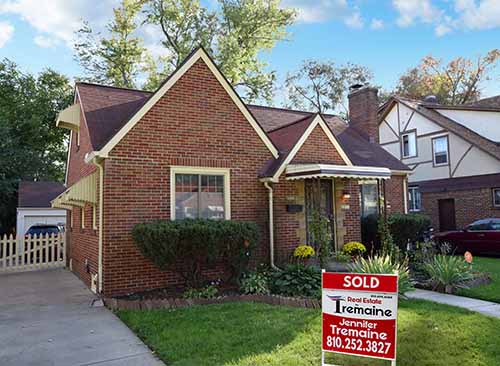
Many years ago, a client of mine had a quitclaim deed prepared to add his son to the deed of his home. The intention was simple. If the father passed away, the son would automatically become the owner without the property going through probate.
At the time, it sounded like an easy solution.
Fast forward a few years. The father asked me to sell the home. Because of that quitclaim deed, the son was now a fifty percent owner on title. That means he is legally entitled to fifty percent of the proceeds, whether that was the father’s long term intention or not.
Fortunately, the son did not want half. He only wanted thirty thousand dollars, which is what his father told him he could have five years ago when they signed the deed. So at first glance, everything seemed manageable.
The home was listed. A buyer submitted an offer. Both father and son agreed to sell. Both agreed that the son would receive the thirty thousand dollars as promised.
Then things become complicated.
The father decided that the son should use the proceeds to purchase a home of his own. He said he will not sign the closing documents unless the son agreed to the new condition. The son was not opposed to buying a house someday, but he didn’t feel ready yet. The father insisted that he will not close unless the son puts in writing how he intends to spend the money.
Here is the legal reality. Because the son is a titled owner, the father has no legal authority to control how the son spends his share of the proceeds. There was no written agreement restricting the funds. But as we all know, family dynamics are not always governed by logic alone. When emotions get involved, transactions can stall. In this case, the sale may never close.
There was a better way to accomplish the father’s original goal.
How a Lady Bird Deed Works
Instead of a quitclaim deed, the father could have used what is commonly called a Lady Bird Deed, also known as an Enhanced Life Estate Deed. This type of deed allows the current owner to retain full control of the property during his lifetime. He or she can sell it, refinance it, or change beneficiaries without needing permission. At death, the property automatically transfers to the named beneficiary without probate.
If the father had used a lady bird deed, he could sell the home later and keep one hundred percent of the proceeds. If he wished, he could then place funds in a trust for his son, perhaps releasing the money upon a fully executed purchase agreement on a home, whether now or years from now.
That approach preserves flexibility and avoids giving away present ownership.
I have a son and a Lady Bird Deed in place. If something happens to me, my home transfers automatically to him. But as long as I am living, I retain full control. If I decide to sell tomorrow, it is entirely my decision.
I love my home and have no plans to move. But I sleep well knowing I have protected both my son and my independence.
A lady bird deed is not right for everyone, and it is always wise to consult with an estate planning attorney before making changes to title. But if your goal is to pass real estate to a child while maintaining control during your lifetime, it may be a far better solution than giving up fifty percent ownership today.
Photo by John Moeses Bauan on Unsplash