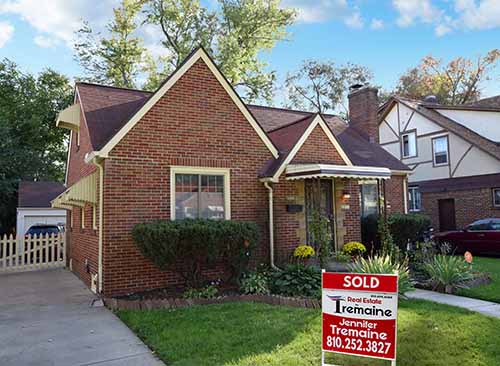
While showing a home in Mundy Township recently, I was reminded how important it is for sellers to prepare properly before going on the market. I was honestly surprised by two things the listing agent had not addressed with the seller ahead of time.
When it comes to getting a home ready to sell, there are really two types of repairs. The kind that cost money. And the kind that cost effort. Both matter. And there is a very specific order in which they should be handled.
The home we were viewing had a section of sunken concrete near the back door. Not a small cosmetic crack, but a noticeable trip hazard. When we walked around the house my buyer saw it and immediately said, “We’re done. Let’s leave.”
We never even made it into the front door.
In my experience, safety issues must always be addressed first. They are not optional. They will prevent a lender from financing the home, and they can stop a buyer from ever emotionally connecting with the property.
No matter how beautiful the kitchen is, a visible hazard changes the tone instantly.
Here is the order I recommend when preparing a home for inspection and sale.
First, fix inspection and financing deal breakers.
These are the items that can cause an inspector or an appraiser to flag the property. In my experience, the most common ones include:
- Trip hazards
- Loose or missing handrails on stairs
- Exterior peeling paint
- Exposed wiring or electrical panel concerns
- Missing or non working smoke and carbon monoxide detectors
- Active roof leaks or missing shingles
- Rotting stairs on decks or porches
- Broken windows
- Non functioning furnace, AC, or water heater
- Mold in basement, attic or under sinks
These items should be handled before the home ever hits the market. It is far less stressful to fix them on your timeline than under pressure once you are under contract.
Second, address mechanical and functional issues.
After safety comes functionality. Buyers do not expect perfection, but they do expect systems to work properly. In my experience I have found that servicing the furnace, fixing small plumbing leaks, clearing slow drains, replacing worn caulking, and making sure outlets function properly can prevent inspection reports from feeling overwhelming.
When systems appear maintained, buyers feel confident. Confidence leads to stronger offers.
Third, improve value through presentation.
This is where the free but slightly painful work comes in.
The Mundy Township home had a three car garage with plenty of space. Yet tools, storage bins, and miscellaneous items were left in plain sight. It did not cost anything to move those items. It simply required effort.
In my experience I have found that decluttering alone can dramatically improve both perceived value and final sale price.
Here are simple presentation improvements that consistently make a difference:
- Remove excess furniture to make rooms feel larger
- Organize storage in basement and garage
- Power wash siding and concrete
- Add fresh mulch to landscaping beds
- Trim overgrown shrubs
- Clean windows
- Replace outdated light fixtures
- Update cabinet hardware
- Neutralize bold paint colors
None of these projects are especially exciting. But they create a feeling. And real estate decisions are emotional before they are logical.
If you repaint a bedroom but leave a tripping hazard at the front entry, buyers focus on the hazard. If you install new hardware but ignore peeling paint outside, the appraiser focuses on the peeling paint.
The proper order matters.
- Safety first.
- Function second.
- Presentation third.
In my experience I have found that sellers who follow this order have smoother inspections, fewer renegotiations, and stronger final sale prices.
If you are even considering selling within the next year, start walking your home now with fresh eyes. Fix what could cause a lender concern. Service what needs maintenance. Clean and organize what you can.
It is always less expensive to prepare early than to negotiate later.